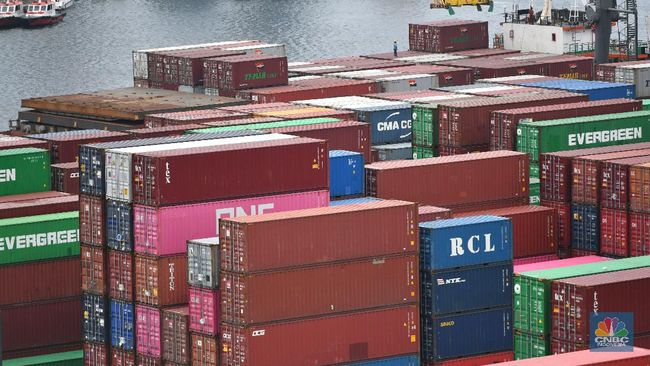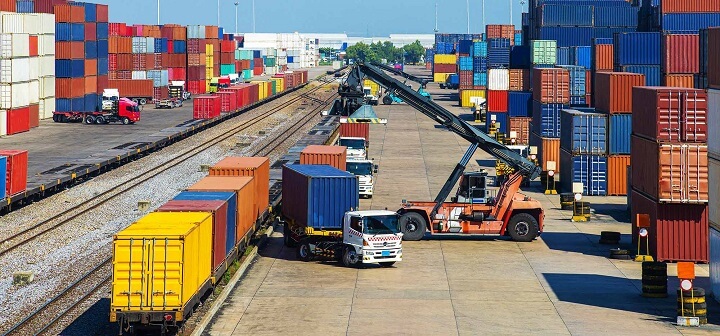

The documentation requirements for sea freight and air freight differ in several key aspects due to the nature of the transportation modes, regulations, and types of cargo involved. Here’s a comparison highlighting the differences between the two:
1. Bill of Lading vs. Air Waybill
-
Sea Freight:
- Bill of Lading (B/L): This document serves as a receipt for the cargo, a contract of carriage, and a document of title. It outlines the details of the shipment, including the type of goods, quantity, and destination. There are different types of B/L, such as straight, negotiable, and seaway bills.
-
Air Freight:
- Air Waybill (AWB): Unlike a B/L, the AWB is a non-negotiable document that acts as a contract between the shipper and the airline. It does not serve as a document of title and includes details about the shipment, including weight, dimensions, and routing.
2. Insurance Requirements
-
Sea Freight:
- Insurance is commonly provided as a separate document, often referred to as a Marine Insurance Certificate. This document protects against loss or damage during transit over water.
-
Air Freight:
- While insurance is also important for air freight, it is often included in the AWB or as a separate Cargo Insurance Certificate. The coverage may differ based on the nature of the cargo and shipping conditions.
3. Customs Documentation
-
Sea Freight:
- Sea freight typically requires a Customs Declaration and may also necessitate a Certificate of Origin, especially for goods subject to tariffs or trade agreements. Additionally, an Export Declaration may be required for specific commodities.
-
Air Freight:
- Air freight requires a Customs Declaration, but the need for a Certificate of Origin depends on the destination country’s regulations. The documentation process is generally quicker due to the expedited nature of air shipping.
4. Packing List
- Both Modes:
- Both sea freight and air freight require a Packing List, which details the contents of the shipment, including weights, dimensions, and packaging specifics. However, the format and specific requirements may vary based on the carrier’s or customs’ guidelines.
5. Additional Documents
-
Sea Freight:
- May require additional documents such as a Dangerous Goods Declaration if the cargo contains hazardous materials and a Loading Order for the shipping line.
-
Air Freight:
- Generally, less documentation is required compared to sea freight. However, it may also require a Dangerous Goods Declaration for hazardous materials.
PT. Laju Anugrah Utama, we recognize that navigating the complexities of logistics documentation for both sea freight and air freight can be challenging.
while both sea freight and air freight require specific documentation for successful transportation, the types of documents and their purposes differ significantly due to the nature of the modes of transport. Understanding these differences is essential for ensuring compliance and facilitating smooth logistics operations. Working with a logistics provider like PT. Laju Anugrah Utama can help navigate these requirements efficiently, ensuring that all necessary documentation is in place for both sea and air shipments.